By Aura Prime Engineering Desk · 2026-10-22
Headlights are one of the most counterfeited parts in the market. They are expensive, they are easy to mould, and a fake looks convincing until it is on the car at night.
Why it matters more than it looks
A headlight is a safety device with an optical design. The reflector or projector, the lens texture and the bulb position are all engineered together so the beam lands on the road and not in oncoming traffic. A copy that gets the shape right and the optics wrong produces glare for other drivers and less light where you need it.
Check the markings
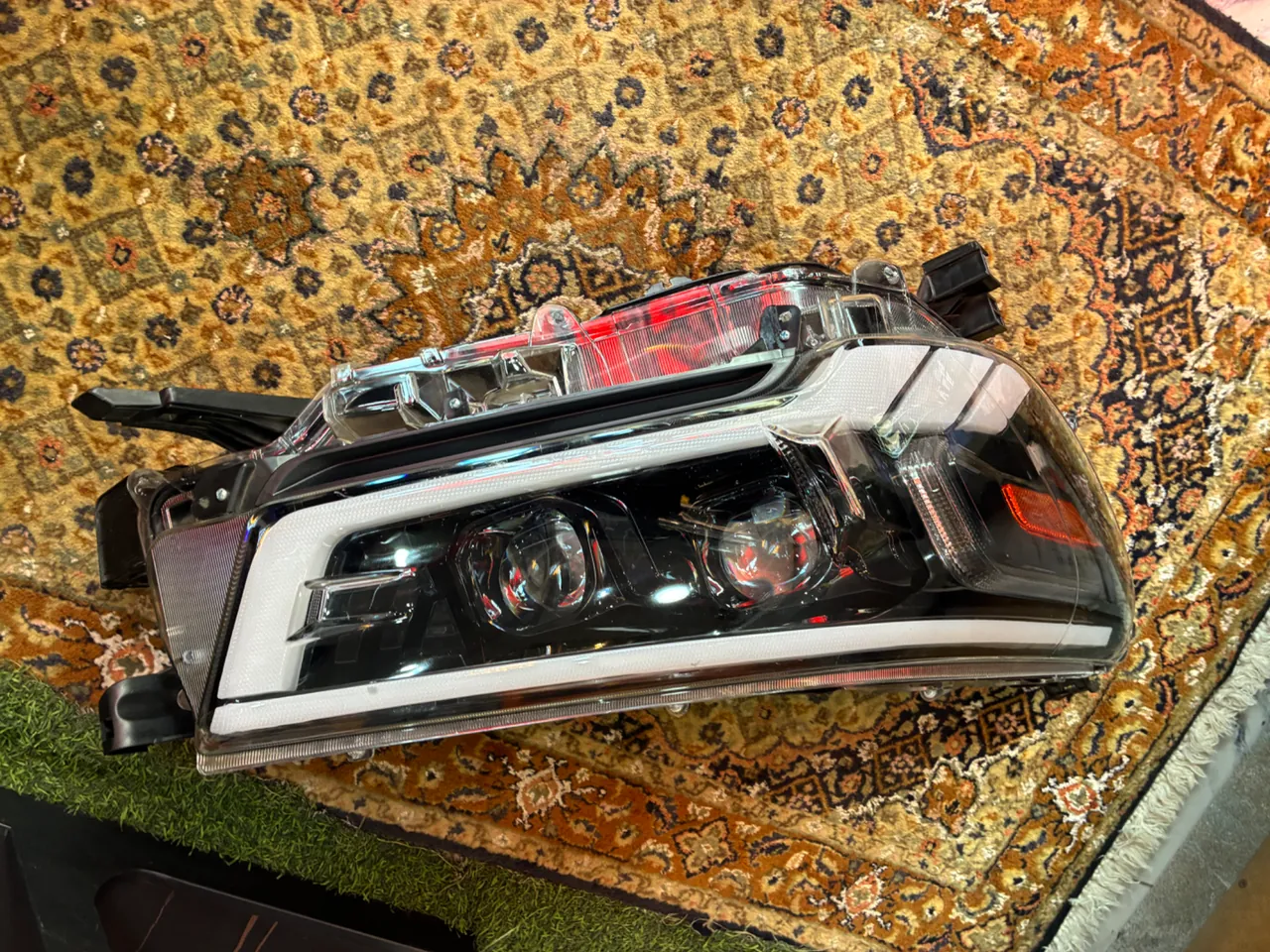
Genuine lamps carry regulatory markings moulded into the lens — DOT and SAE markings on US-specification lamps, an E-mark with a number on European ones — plus the manufacturer logo and a part number. On counterfeits these are usually printed rather than moulded, sit slightly off-centre, or are missing entirely. Look for a moulded part number inside the housing as well.
Check the physical details
Compare the weight: genuine housings feel solid because the plastic is specified for heat and UV. Look at the seam where the lens meets the housing — it should be even and clean. Look at the wiring: thin gauge wire and loose crimps are a giveaway, because the counterfeit cost saving is in the parts you cannot see. Check that the levelling adjusters turn smoothly and that the mounting tabs are the same thickness as the original.
Test the beam
Park facing a wall about five metres away at night and switch on low beam. A genuine lamp gives a sharp horizontal cut-off with a defined step toward the kerb side. A counterfeit usually gives a soft, uneven spread with scattered light above the cut-off. If you can see the beam pattern is wrong, other drivers can too.
Ageing tells you a lot
Genuine polycarbonate lenses yellow slowly because they have a UV coating. Cheap copies go cloudy within a year or two in Ghanaian sun and start taking on water at the seam, because the sealant is not specified for the heat cycle. Fogging after rain is not normal on a new lamp.
If you already bought a fake
Do not fit it. Take it back with the receipt and the part number, and if the seller will not take it, report it — counterfeit safety equipment is not a private dispute. When buying, ask to see the moulded markings before paying; a seller who cannot show them is telling you something.
Common questions
Are aftermarket headlights always bad?
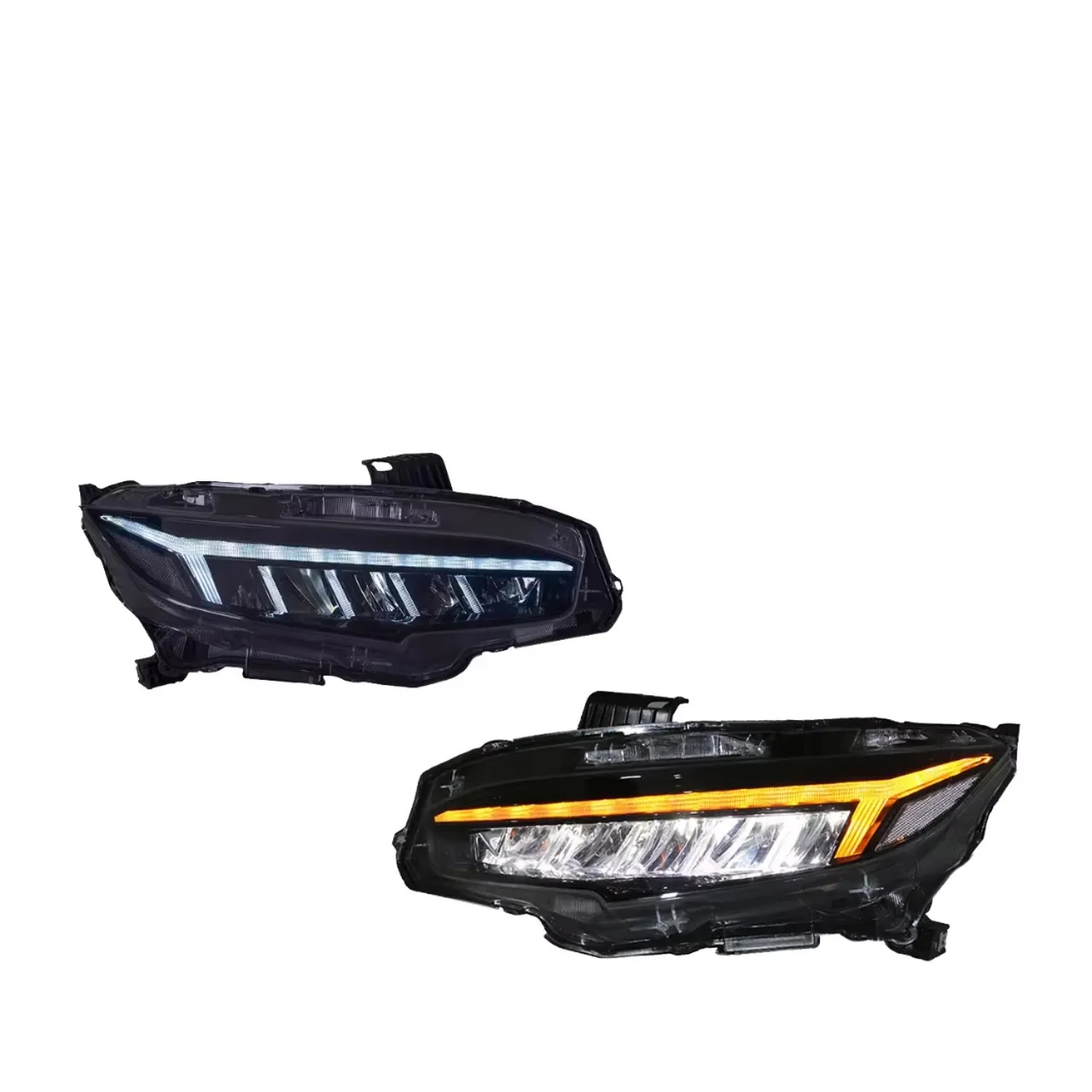
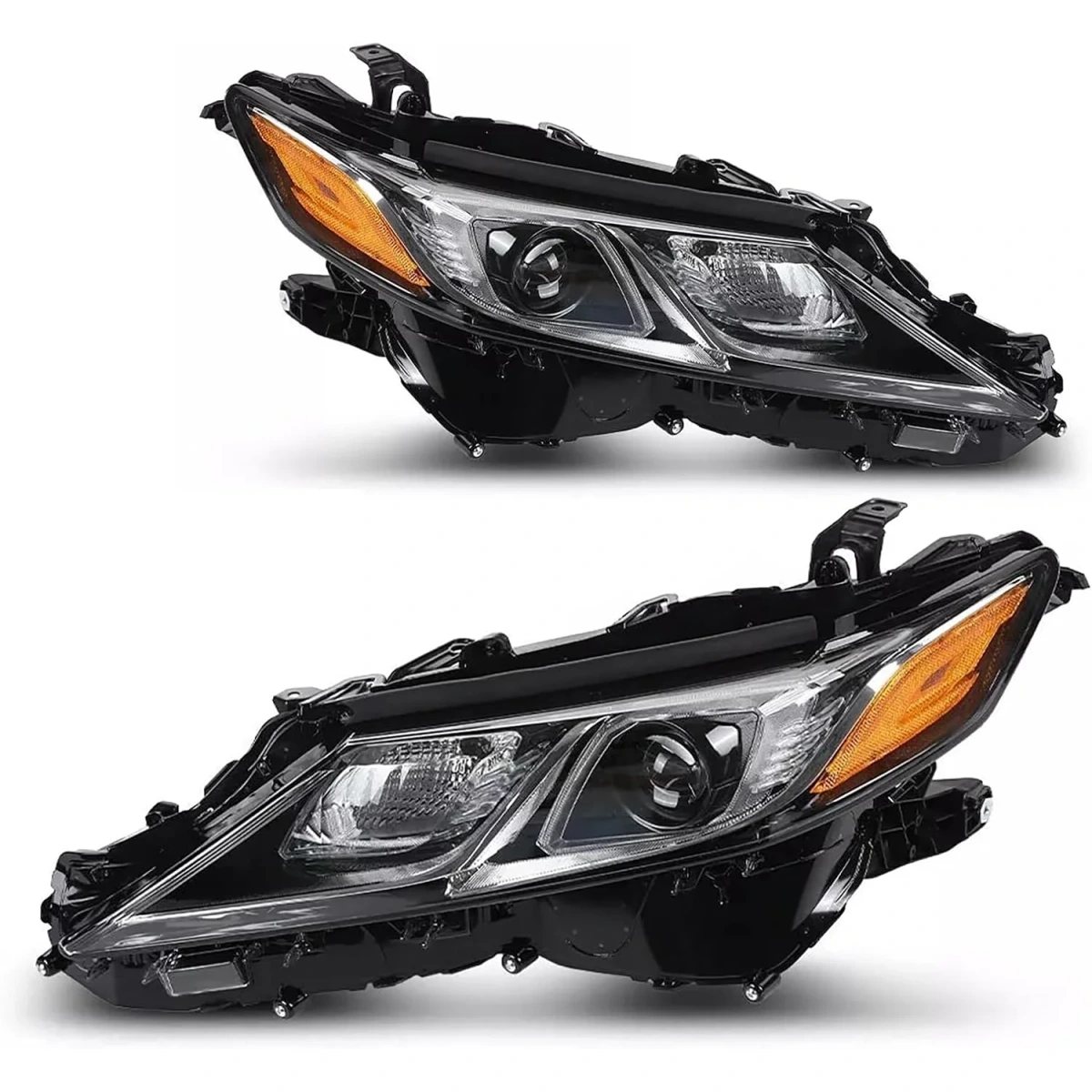
No. There are reputable aftermarket brands that meet the same standards and cost less than dealer parts. The problem is unbranded copies that imitate a brand without meeting the standard.
Can I fit LED bulbs to a halogen housing?
Legally and practically, no. The housing optics are designed around the bulb type; swapping it scatters light and fails inspection in most markets.
How do I stop new lenses yellowing?
Keep them clean, avoid harsh abrasives, and park out of direct sun where you can. A UV coating applied at manufacture is what protects them; once it wears through, the plastic degrades quickly.
Parts mentioned in this guide
Verified stock in Abossey Okai right now, each with its own fitment record. Tap through to check the part against your VIN before ordering.