By Aura Prime Engineering Desk · 2026-10-18
Almost every parts conversation in Ghana starts with the same question: is the cheaper one safe? The honest answer depends on which part you are buying and what happens when it fails.
Three words that get used interchangeably
Genuine OEM means the part was made for the manufacturer, to their drawing, and carries their part number. OES (original equipment supplier) is the same factory selling the same part under its own brand, often without the car maker logo. Aftermarket means a third party made it to their own interpretation of the drawing. None of these labels is automatically good or bad — what matters is whether the part was built to the tolerance the car expects.
Where the cheap option is fine
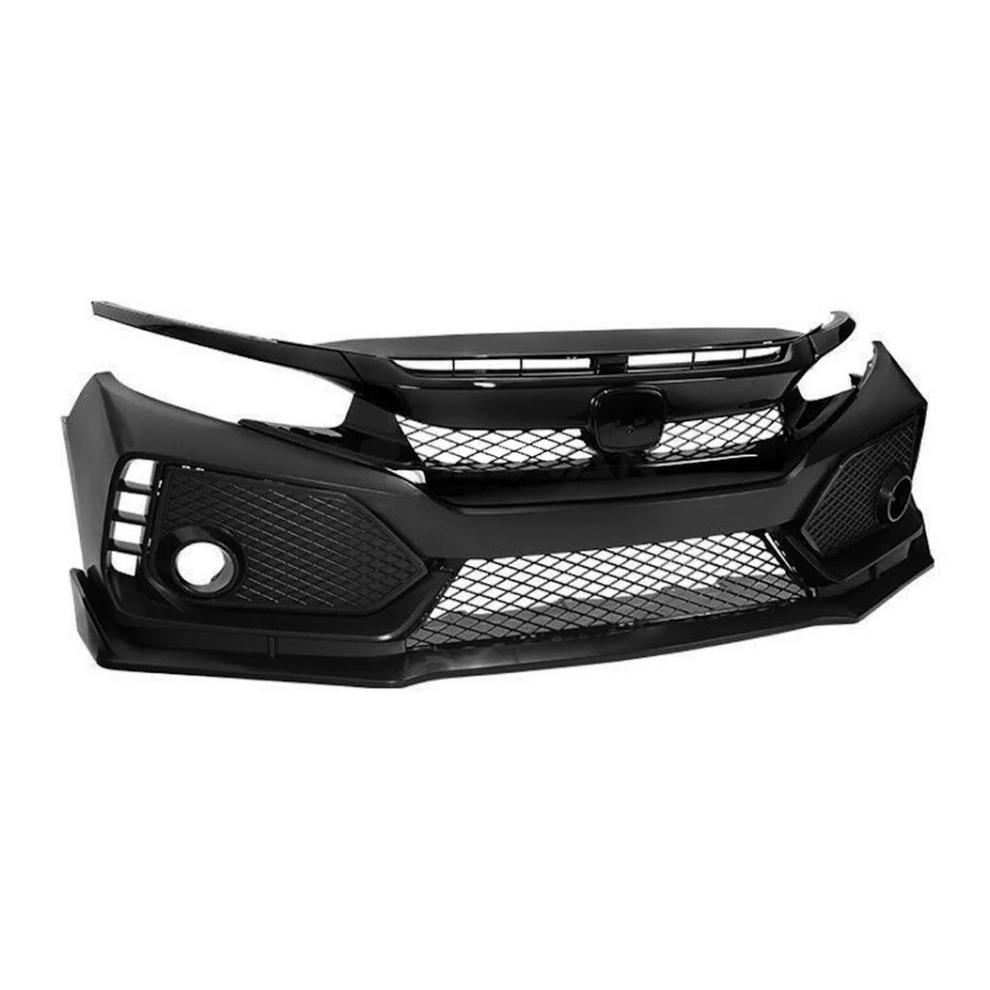
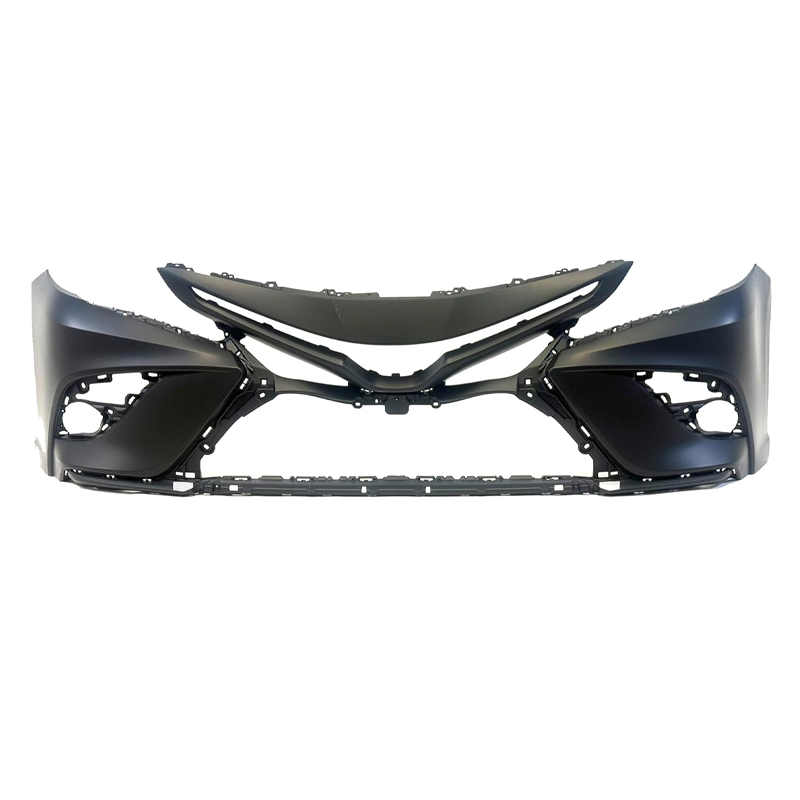
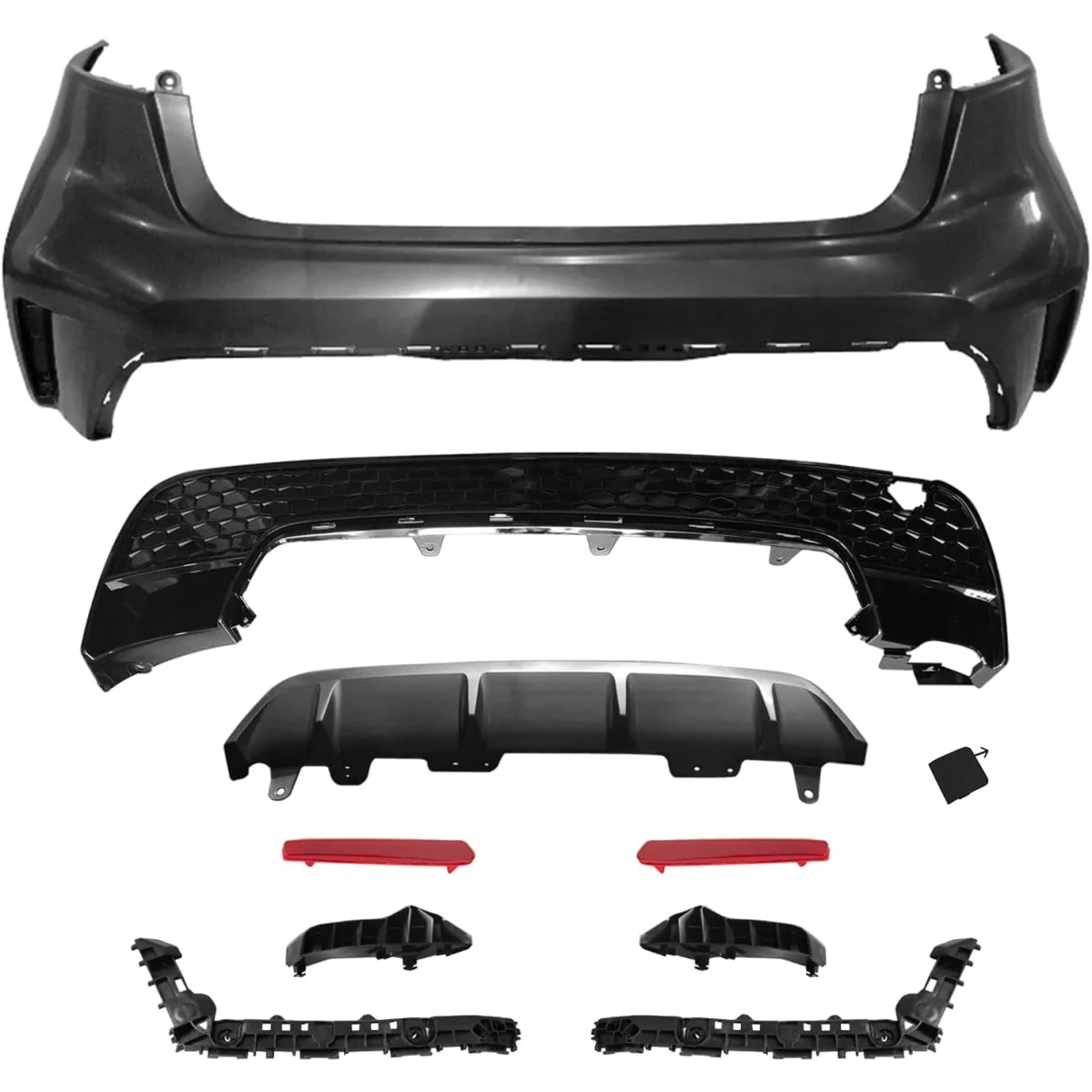
Cosmetic and non-safety panels are the sensible place to save. A bumper cover, a grille, a mirror housing or a piece of interior trim has no load path through it. If it fits, holds paint and does not rattle, the saving is real. The same is true for consumables whose failure is obvious and harmless, like wiper blades or a cabin filter.
Where it is not
Brake discs and pads, steering tie rods and ball joints, suspension components, sensors that feed the ECU, and anything in the airbag or seatbelt system should be genuine or a known OE supplier. These parts are specified by fatigue life and tolerance, not by shape. A tie rod that is two millimetres short still bolts on, still passes a visual inspection, and still changes your alignment geometry under load.
The cost argument also inverts here. A cheap brake disc that warps in a year, plus the labour to fit it twice, usually costs more than the genuine disc it replaced. That is the calculation to run — not the price on the shelf, but price divided by how long the part actually lasts on Accra-Kumasi roads.
How to tell what you are actually holding
Look for a part number stamped or moulded into the component itself, not just printed on a box. Genuine packaging is consistent in font, print quality and sealing; counterfeits usually give themselves away in the printing before they give themselves away in the metal. Ask for the supplier invoice. A seller who cannot say where a part came from cannot stand behind it.
Fitment before price
The most expensive part is the one that does not fit. Year ranges on listings are a starting point, not proof: the same model year can carry different trims, engines and facelift bodywork. Send the 17-digit VIN and have the part number checked against the manufacturer catalogue before money changes hands. On this site every part page carries its make, model, year range and part number so the check can be done before you pay.
Common questions
Is a used genuine part better than a new aftermarket one?
For safety-critical parts, a tested genuine part from a known donor vehicle is usually the better bet, because the engineering is right even if the part has wear. For cosmetic panels, new aftermarket is fine.
What does “tested used” actually mean?
It means the part was removed from a running donor vehicle and checked before sale — electrically tested for lighting and sensors, visually inspected for structural damage on panels. Ask what the test involved; the good sellers can describe it.
Can I return a part that does not fit?
Only if fitment was agreed in writing first. A part bought against a stated VIN that does not fit is the seller’s problem; a part bought on a guess is not.
Parts mentioned in this guide
Verified stock in Abossey Okai right now, each with its own fitment record. Tap through to check the part against your VIN before ordering.